CHOOSE COLOR

BLOG/NEWS

Latest News And Updates

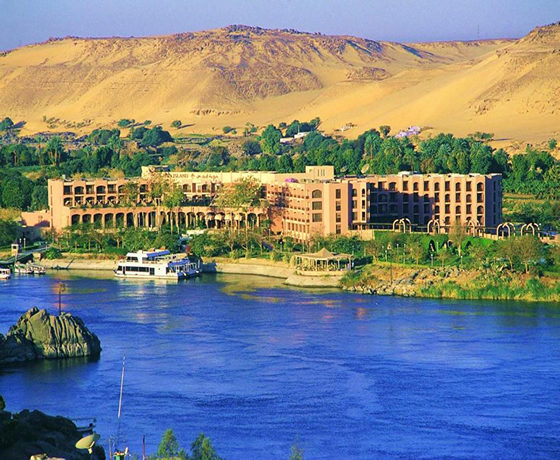
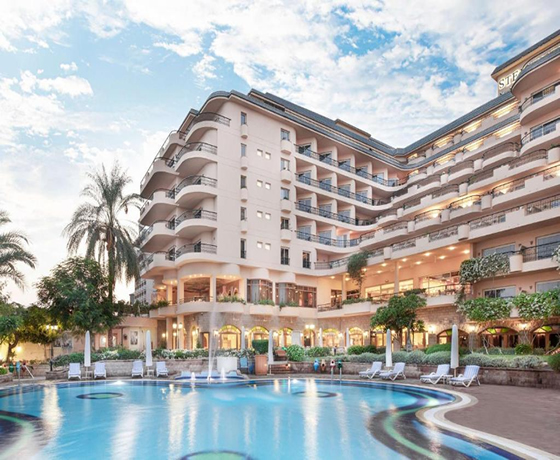
Hotel El Alamein

Al Alamein Hotel

El Alamein

El Alamein Tour & Excursions

EL ALAMEIN TOUR

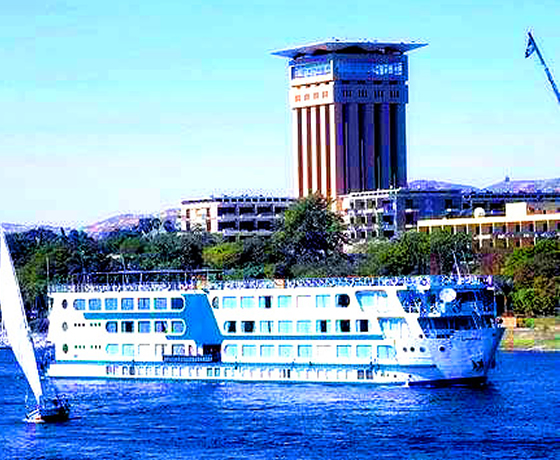
cruise

October 23, 1942 - El Alamein

Seventy years have passed since that terrible summer of war. We had reached the second year of fighting in the African desert. General Erwin Rommel at the head of the Italian-German Armored Army had led the second advance in the desert in a lightning-fast manner. In little more than three months he had brought the Axis divisions to a hundred kilometers from Alexandria. The race had lengthened the route that supplies had to cover to reach the front. Malta, the British Royal Navy base in the Mediterranean, had been silenced, at least for a while. Tobruk, conquered by the XXXI Sappers of Major Paolo Caccia Dominioni, had fallen with a crash, leaving Rommel's exhausted troops with all kinds of materials, vehicles, fuel and over 30,000 prisoners. Cairo seemed within reach and those who hoped to stop Rommel to start the elimination of Malta with "Operation C3", clashed with the General's susceptibility. Sure that he could do it with the forces at his disposal, Rommel forced the hand of fate and lost. Without the possibility of recovering.
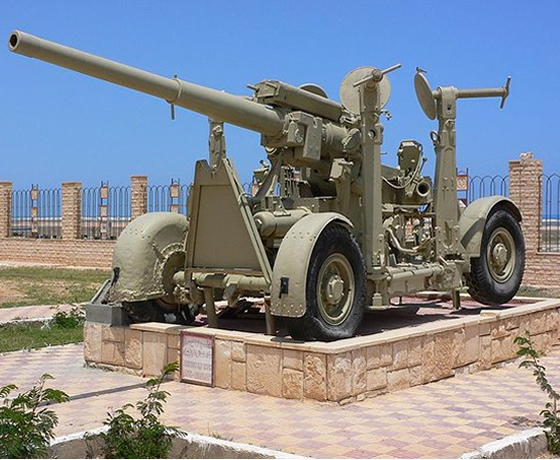
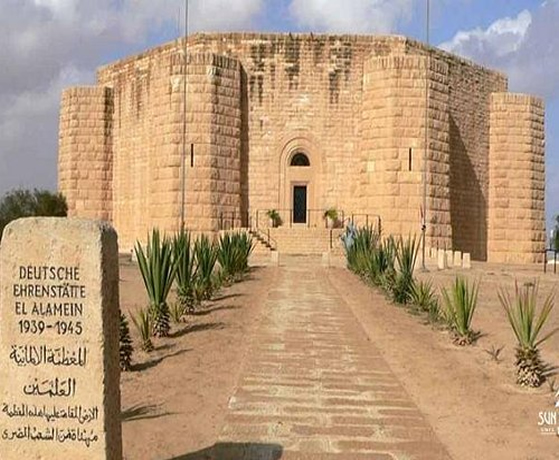
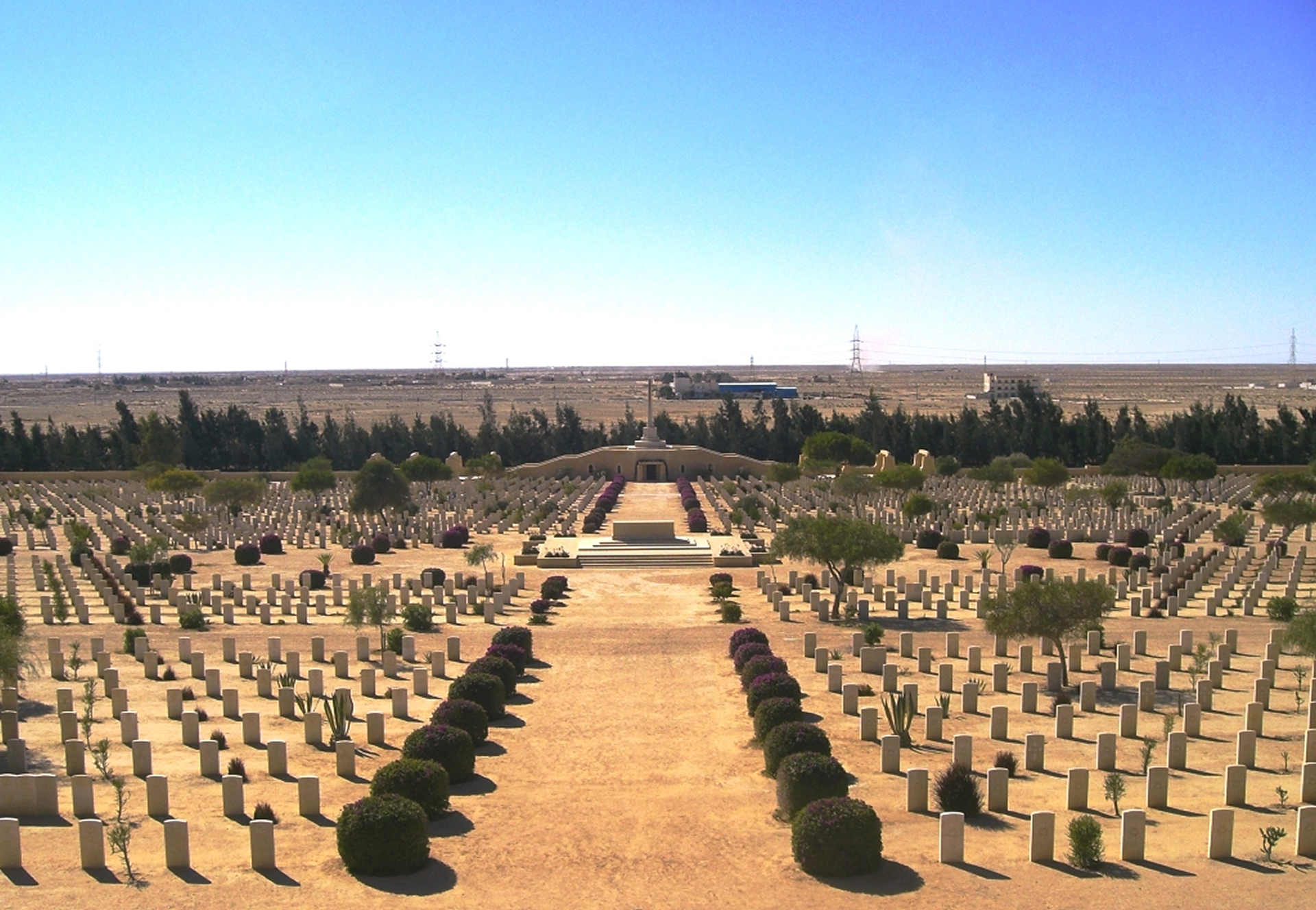
The Italian-German Armored Army had to stop where Auckinleck, Commander of the British Middle Eastern theater, had foreseen; the narrow strip of desert delimited by the coast to the north (Gulf of the Arabians) and by the El Quattara depression to the south. Here the English will force the Italian-Germans to a terrible battle of attrition, made of artillery and armored masses, launched in repeated attacks against forces inferior in number, not in quality and characteristics of the fighters. The fate of the ACIT was written in the numbers, in the number of men, artillery, tanks, that composed it, and that a battle without the possibility of maneuver imposed on it. In these pages you can find a reconstruction of the battle by Lieutenant General Gualtiero Stefanon and a presentation on Colonel Paolo Caccia Dominioni, an interactive version of the same battle accompanied by information relating to the vehicles and departments engaged on the ground as well as a series of insights into the Italian Units that fought there.
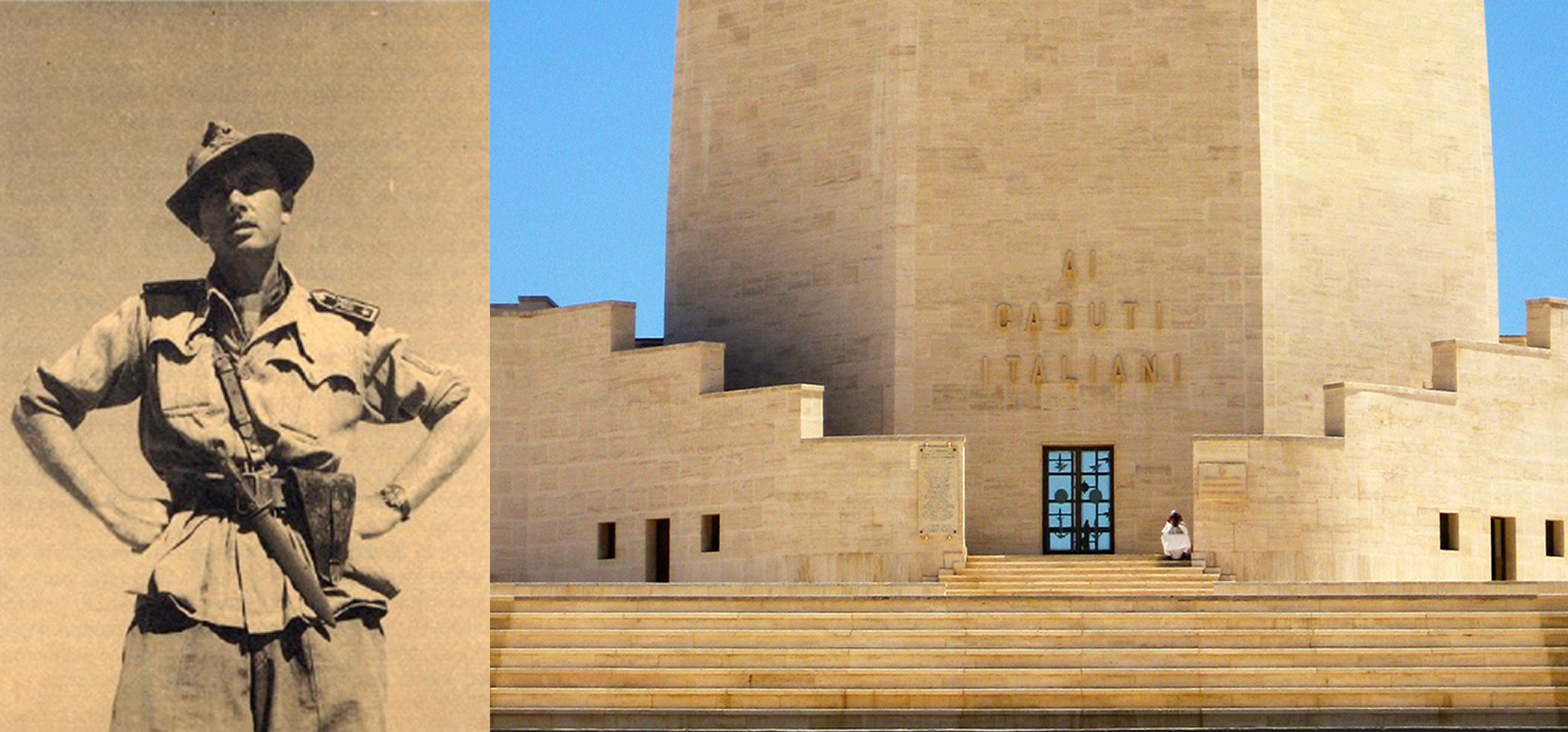
Colonel. Paolo Caccia Dominioni

The Characters of the Battle

"Already commander of the 31st Engineer Battalion in the battles of El Alamein, after the end of the 2nd World War he voluntarily carried out, for over 12 years, the high and arduous mission of searching for the bodies of the fallen of every nation, scattered among the sands of the Egyptian desert, regardless of the hardships, sacrifices and risks that it continually entailed.

With conscious and high technical-military preparation, courage and contempt for danger, he personally conducted searches among the still active minefields, during which he was involved twice in the explosion of the mines, following which one of his followers was seriously injured and six of his Bedouin collaborators lost their lives.

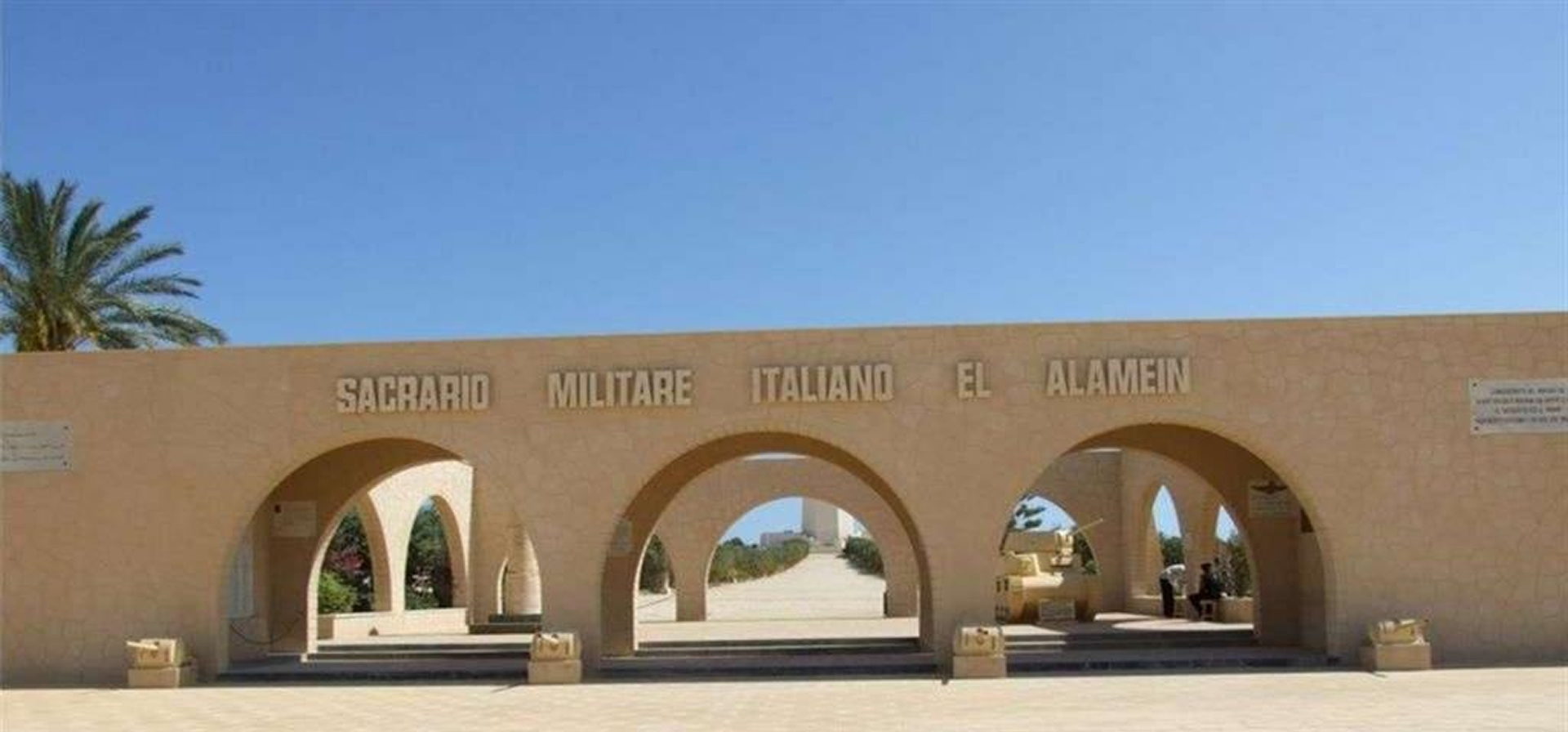
Thanks to his work, over 1500 Italian bodies scattered in the desert, together with more than 300 of other nationalities, were found and another 1000, who remained nameless, were identified and returned, with the first ones, to memory, to pity and to the affection of their loved ones. Furthermore, 4814 fallen soldiers rest today in the Italian Military Shrine of El Alamein, designed and built by him, to pass on his deeds and memory to the generations that will follow.

A sketch of PCD dedicated to his XXXI

Commander, engineer, architect, writer and artist, decorated several times for Military Valor, he left a wonderful trace of himself in each of his works, from which came a great honor to the Italian Army, supreme prestige to the name of the Fatherland and deep comfort to the pain of the national community, severely tested by the deaths of war".

cruise

El Alamein - The Italian deployment

The Italian units involved in the battle were divided into the three Army Corps X, XX and XXI.

The Tenth, deployed further south from the El Quattara depression, included the Pavia (17th), Folgore (185th) and Brescia (27th) divisions.

The Twentieth included the Bologna (25th) and Trento (102nd).

The Twenty-first included the Ariete (132nd) and Littorio (133rd) armored divisions and the Trieste (101st) motorized division.

Bersaglieri regiments, engineer battalions and artillery groups completed the support of the Army Corps which also included large German units such as the 2nd Parachute Brigade (Ramcke) inserted in the X Corps and the 164th Light Division which completed the XX.


Divisions of the X Army Corps
Divisions of the XX Army Corps
Divisions of the XXI Army Corps